
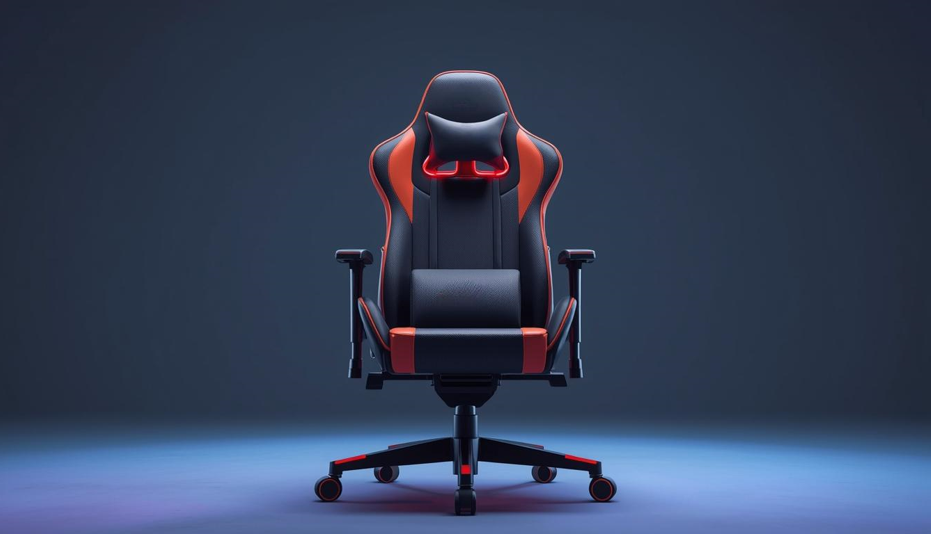
Gaming chairs often grab attention with bold colours, racing-style designs, and high backs—but when you’re sitting for hours, looks matter far less than support. Whether you’re a gamer, streamer, or someone who spends long sessions at a desk, choosing the right chair can directly affect your comfort, posture, and long-term health. This guide focuses on what truly matters beyond style when selecting the best gaming chair for long hours.
Why Style Alone Isn’t Enough
Many gaming chairs are designed to look impressive on screen, but not all are built for extended sitting. Without proper ergonomic features, long hours can lead to lower back pain, neck stiffness, shoulder tension, and fatigue.
That’s why an ergonomic gaming chair is designed differently—it prioritises body alignment, adjustability, and sustained comfort rather than just aesthetics.
Lumbar Support Is Non-Negotiable
The lower back naturally curves inward, and long sitting hours tend to flatten this curve. A good gaming chair must support this area properly.
What to look for:
- Built-in or adjustable lumbar support
- Depth and height adjustment for a personalised fit
- Firm yet flexible support that maintains spinal alignment
Poor lumbar design is one of the biggest reasons gamers experience back pain after long sessions.
Neck and Head Support for Long Sessions
Extended gaming often means leaning forward or tilting the head, especially during intense gameplay. Over time, this strains the cervical spine.
A quality gaming chair should offer:
- Adjustable headrest or neck cushion
- Proper alignment between head, neck, and shoulders
- Support in both upright and reclined positions
This reduces stiffness and helps maintain a relaxed posture throughout long hours.
Seat Comfort and Pressure Distribution
Sitting comfort isn’t just about softness. A seat that’s too soft can cause poor posture, while one that’s too firm can create pressure points.
Ideal seat features include:
- High-density foam for long-term support
- Adequate seat depth to support thighs
- Rounded seat edges to reduce pressure behind the knees
Balanced cushioning helps prevent numbness and discomfort during extended use.
Adjustability Makes the Real Difference
The best gaming chair for long hours adapts to you, not the other way around. Adjustability is a core ergonomic principle.
Look for:
- Adjustable seat height and armrests
- Recline and tilt-lock mechanisms
- Tension control for smooth movement
These features allow micro-movements throughout the day, reducing muscle fatigue and stiffness.
Build Quality and Breathability
Long gaming sessions generate heat, and poor materials can make sitting uncomfortable quickly.
Key considerations:
- Breathable upholstery (mesh or ventilated fabric)
- Strong frame and stable base
- Smooth-rolling casters for easy movement
Durable materials ensure the chair remains supportive even after daily, prolonged use.
Gaming Chair vs Ergonomic Office Chair
Some users split their time between work and gaming. In such cases, it’s worth understanding the overlap.
An ergonomic chair is often designed with a more neutral posture focus, while gaming chairs may offer deeper recline and head support. The best choice depends on how many hours you sit and how you divide your time between work and play.
For long, uninterrupted sitting, ergonomics should always take priority over design flair.
Final Thoughts
The best gaming chair for long hours isn’t defined by bold design or racing aesthetics—it’s defined by support, adjustability, and comfort over time. Paying attention to lumbar support, neck alignment, seat design, and overall ergonomics can make a noticeable difference in how your body feels after hours of gaming.
If you’re investing in a gaming chair, look beyond style. Your posture, comfort, and long-term health are worth it.
